


The Essential Guide to Kids’ Style: Clothing, Footwear, and Accessories for Every Adventure
Dressing children is a journey that beautifully blends practicality with personality. It’s a task that shifts with the seasons, the rapid pace of growth, and the unique, vibrant energy of every child. For parents and guardians, navigating the world of boys’ and girls’ apparel, shoes, and accessories requires an eye for quality, a nod to evolving trends, and a deep appreciation for the need for unrestricted play. This comprehensive guide explores the core elements of a well-rounded children’s wardrobe, ensuring comfort, durability, and style go hand-in-hand, from the sandbox to the school hall.
The Foundation: Clothing That Moves With Them
The primary consideration for any piece of children’s clothing is its ability to support an active life. Kids, regardless of gender, are constantly testing the limits of their garments—climbing, stretching, tumbling, and exploring. Therefore, durability and ease of movement are non-negotiable.
Fabric Focus: Comfort and Resilience
The choice of material is crucial. Soft, breathable natural fibers are perennial favorites, particularly for items worn closest to the skin. They offer superior comfort and manage moisture effectively, which is vital during energetic play or in warmer climates. For outerwear and play clothes, blends often provide the best of both worlds: the comfort of natural materials combined with the resilience and quick-drying properties of synthetic ones.
One key trend is the increasing demand for sustainable and conscious material choices. Parents are actively seeking garments made with a reduced environmental footprint, opting for materials produced with less water and fewer processes, ensuring their child’s clothing is gentle on both skin and the planet. These choices often translate to high-quality, long-lasting clothes that can withstand countless washes and be passed down, furthering their sustainable lifespan.
Style for Self-Expression: Boys’ and Girls’ Apparel
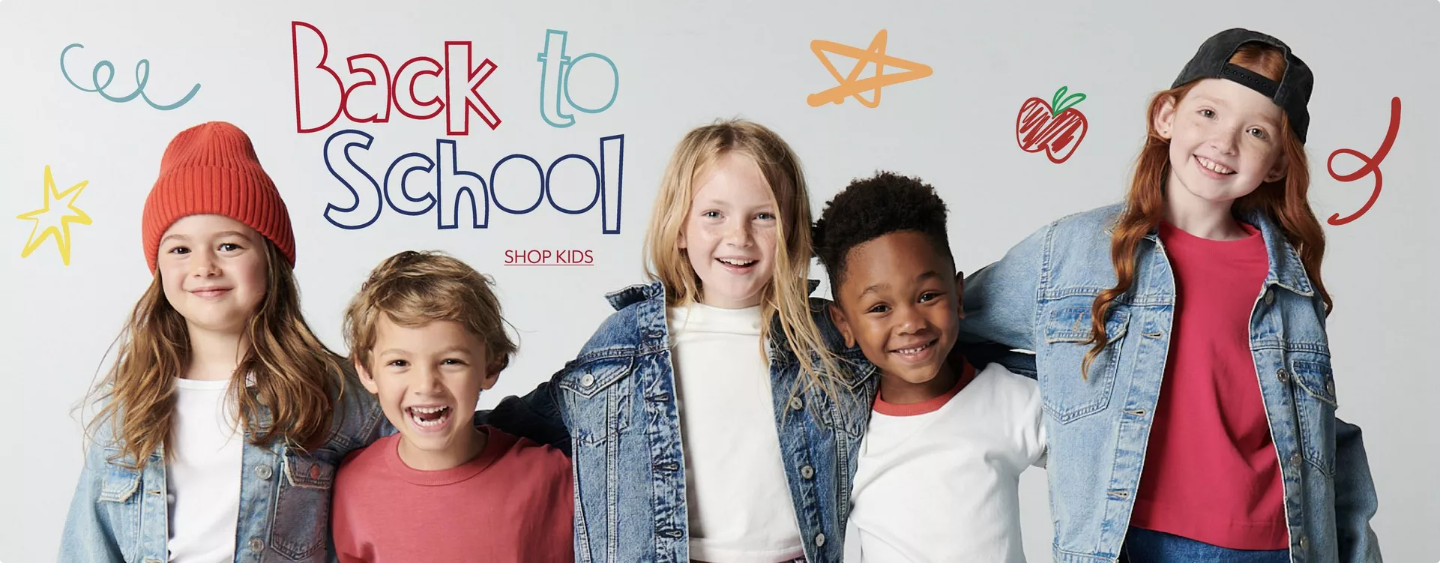
Contemporary children’s fashion champions individualism. The lines between traditionally masculine and feminine clothing have pleasantly blurred, encouraging all children to choose items based on preference, color, and comfort, rather than convention.
For everyday wear, the concept of the ‘capsule wardrobe’ has become increasingly popular. This involves a selection of versatile, high-quality basics that can be easily mixed and matched. Think sturdy trousers or leggings, plain and graphic tees, and simple knitwear. This approach simplifies dressing, minimizes decision fatigue for both children and adults, and ensures a cohesive look without overcomplicating the closet.
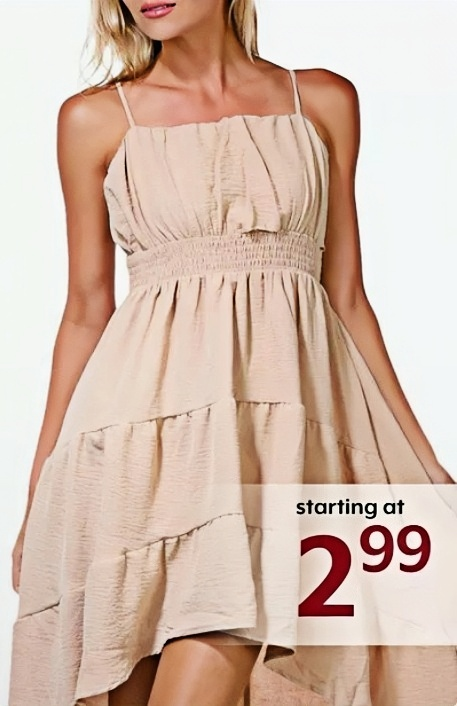
When it comes to dressier occasions, the focus shifts to celebratory details and comfort-forward tailoring. For girls, this might mean dresses with soft linings and manageable closures, or sophisticated separates that allow for easy movement. For boys, comfortable, well-fitting blazers and soft-collared shirts paired with trousers that have an elasticated waist provide a polished look that still accommodates the occasional sprint or celebratory jump. The key is to choose pieces that look refined but feel like playwear.
Stepping Out: The Importance of Proper Footwear
If clothing is the armor, footwear is the engine. A child’s feet are growing and developing rapidly, and the right shoe is absolutely essential for healthy development, safety, and participation in all activities. Ill-fitting shoes can lead to long-term foot health issues, making the selection of footwear a significant decision.
Criteria for Choosing the Right Shoe
The best children’s shoes prioritize function over fleeting fashion. Key features to look for include:
-
Flexibility: The sole should be flexible enough to bend naturally at the ball of the foot, allowing for a natural gait, but firm enough to offer protection against rough surfaces. A fully rigid sole restricts natural movement.
-
Support: Good arch support and a firm heel counter (the back part of the shoe) help stabilize the foot.
-
Fit: There should be ample space in the toe box for toes to wiggle and lie flat. Regular size checks are paramount, as children’s feet can grow a size in just a few months. Easy and secure fastenings—like adjustable straps or well-functioning laces—are crucial for independent dressing and ensuring the shoe stays put.
-
Material: Breathable materials for the upper part of the shoe, such as canvas or certain technical knits, help keep feet cool and dry, reducing the risk of discomfort and odor.
Footwear for Every Setting
The modern child requires a small but varied collection of footwear. Durable, cushioned athletic shoes are mandatory for school, play, and sports. Practical boots—waterproof for wet weather and insulated for cold—are essential for outdoor explorations. Finally, simple, breathable sandals or lightweight canvas slip-ons are perfect for warmer seasons, provided they offer sufficient support for walking and running. The current trend sees vibrant colors and fun patterns dominating the children’s footwear market, turning a functional item into an opportunity for playful self-expression.
The Finishing Touches: Bags and Accessories
Accessories are the fun, functional elements that complete a child’s look and support their daily routines. They are a significant way for a child to express their current interests, whether it’s through a favorite character, a preferred color scheme, or a practical design.
Bags: Beyond a Place for Books
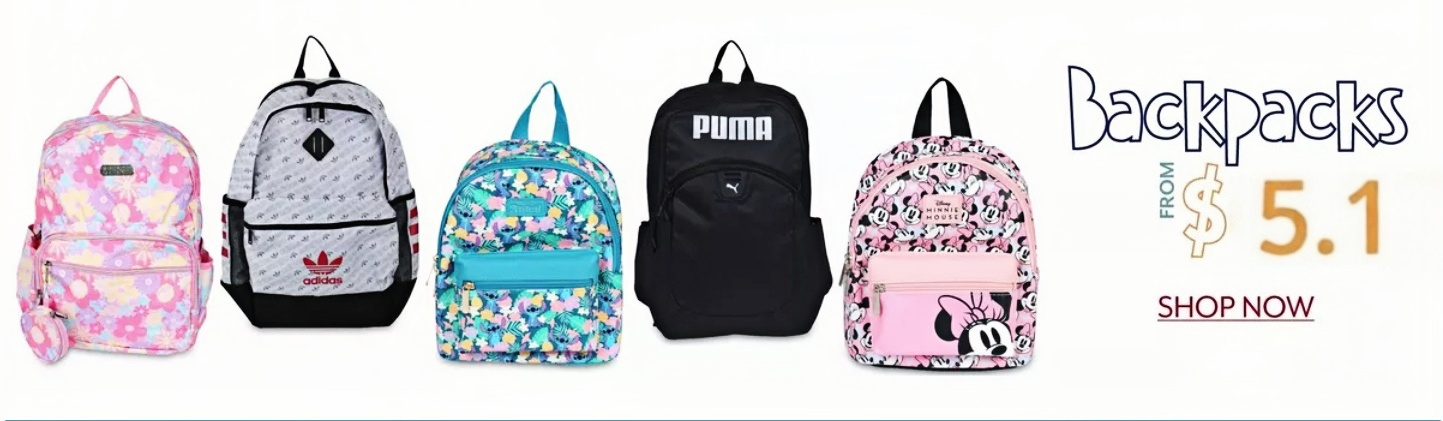
The ubiquitous backpack is the most vital accessory. When selecting a bag, health and comfort are the top priorities. Look for one with wide, padded, and adjustable shoulder straps and, ideally, a sternum or waist strap to distribute weight evenly. The size should be appropriate for the child’s torso, not too large or too heavy when empty.
Beyond the practical aspects, bags serve as a visual marker of a child’s style. Designs range from subtle patterns and solid colors to bold, graphic prints and unique textures. Small crossbody bags or fanny packs are also popular for carrying essential small items like nature treasures or pocket money during outings.
Accents: Hats, Belts, and Headwear
Small accessories have a huge impact on both style and functionality. Headwear, from wide-brimmed sun hats to cozy knit beanies, is essential for protection across seasons. These items also offer an easy, affordable way to inject personality into an outfit.
Belts, while often necessary for fit, are also an opportunity for color and texture, often featuring simple, easy-to-manage buckles or elasticated sections. For hair accessories, the trend leans toward playful bows, brightly colored clips, and soft headbands that don’t pinch but keep hair comfortably out of the face during active play.
A Mindful Approach to the Wardrobe
Ultimately, the best approach to building a children’s wardrobe across clothing, footwear, and accessories is a mindful one. It involves choosing items that are:
-
Durable and repairable: Longevity reduces waste and saves resources over time.
-
Comfortable and non-restrictive: Freedom of movement is key to a happy, active child.
-
Reflective of the child’s personality: Allowing children a voice in their choices fosters independence and confidence.
-
Easy to care for: Low-maintenance clothing simplifies life for busy families.
By focusing on these core principles, families can create a collection of garments, shoes, and bags that not only look fantastic but are also practical, responsible, and perfectly suited to supporting a childhood full of curiosity and adventure. It’s an investment in comfort, confidence, and the freedom to simply be a kid.